
Five of the Best Indoor Plants for Allergy Sufferers
Written by SayHomeBuy Admin // 2016/03/14 // Improving the Home // No comments
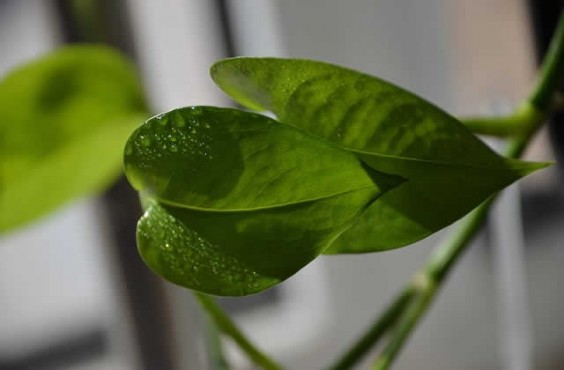
If you’re an allergy sufferer, there may not be much you can do about the irritants in the air outside your house, except for using some type of allergy medicine like Dymista. At home though, using indoor plants can bring a welcome relief for your allergies. Indoor air often contains chemicals from the oils, paints and glues of furniture, electronic devices and appliances.
A 1989 NASA Clean Air Study identified the most effective plants for removing benzene, formaldehyde and trichloroethylene (TCE) from the air. Here are five of the best indoor plants to help you breathe a little better.
English Ivy
If mold is the issue, English ivy has been demonstrated to be highly effective. At the 2005 American College of Allergy, Asthma, & Immunology’s annual meeting, researchers reported tests showing English ivy removed 60% of airborne mold within 6 hours and 78% within 12 hours. The ivy was also very effective in removing 94% of airborne dog feces within 12 hours.
Bamboo Palm
The bamboo palm removed formaldehyde better than all other plants, at 30% better than the next closest plant. Place this plant where there is indirect or filtered sunlight. Guard against root rot by pouring excess water out after watering.
Gerbera Daisies
Gerbera daisies were the best at removing benzene from the air, again about 30% better than the next closest plant. They do well with bright, all day sunlight and Gerbera daisies develop deep root systems so keep in mind they don’t tolerate repotting well.
Peace Lily
Peace lilies are good at removing airborne TCE and carbon monoxide. This is a low light plant and too much light can cause it to not produce flowers and get brown leaf tips.
Areca Palm / Butterfly Palm
This palm is good for humidifying air as well as cleaning it. Since this plant can grow to 6 or 7 feet, choose a larger pot for it to grow into. It prefers bright light as well.
Only one or two plants per 100 square feet of floor space are needed. The roots and soil play as important a role as the leaves in cleaning the air, so use pots with a minimum of 6 to 8 inches of open space at the top. Dust can build up on plant leaves and a weekly wipe down of the leaves with a damp paper towel should take care of this problem. Overwatering can contribute to mold growth, so let the top inch or so of soil dry between waterings as much as possible.




 If you want to contribute home buying tutorials, product information or news:
  Share our home buying tips with your facebook friends:
  Do you have any ideas or suggestions you would like to make?
  If you like what we do, please subscribe to our
  All content Copyright © 2014 SayHomeBuy. Part of nBuy Home Management Network.