
How to Properly Inspect Plumbing before Purchasing a New Home
Written by SayHomeBuy Admin // 2015/08/27 // Home Buying Inspection // No comments
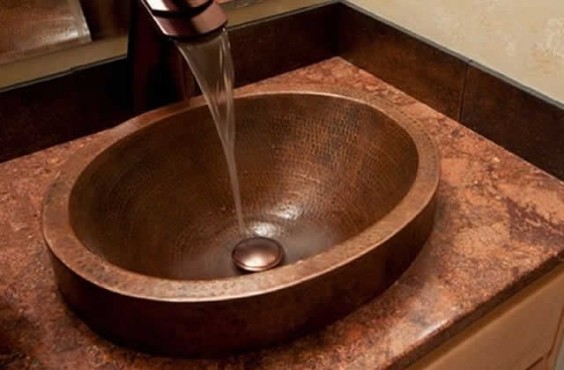
It goes without saying that whenever you are buying a new home you need to inspect the whole building before you close the deal. This is especially true for plumbing, which can be a deal breaker – or price killer, if you take it that way. You have two options: you can hire a professional plumber to check it or you can do it yourself.
Take your time
Ask to meet the owner or the real estate agent who is in charge of showing the home and be ready to get dirty. Put on old working clothes or overalls and arm yourself with a flashlight. The most important thing is not to hurry and not be afraid of what you may find. You need to see things as they are and be realistic. An honest seller will not mind you doing the thorough check, and even might agree to pay for the repairs, if needed.
Check the valves
Start by locating the water meter and inspecting if the shut off valve works properly. Shut it off and try every tap in the house and garden, one by one. No water should be coming out. If the home uses well water instead of the municipal utility, you will likely find the shut off valve inside the home, under the kitchen sink or in the bathroom.
Lead leads to problems
If the house you are looking to buy was built before 1986, there are chances that it has lead plumbing. Despite its good mechanical properties, it is still environmental pollutant, toxic to living organisms. Since 1986, its use as plumbing material has been prohibited by the Amendments of the Safe Drinking Water Act. I wouldn’t advise purchasing a house with lead plumbing if you have children.
Pressing pressure matters
By measuring the diameter of the water pipes, you can determine the water pressure you will have. You need lines that are at least ¾” from the main water source. The internal cross section of the pipes should be at least ½” in diameter, tell us the people who own and operate Force Plumbing and Heating. You need to check the faucets in the kitchen and bathroom for leaks and drips.
What about water heater?
Check visually for any signs of corrosion as well as the water heater’s age. If you can, check if there are sedimentary deposits on the bottom of the tank and around the heater. These deposits leave less room for water to be heated and also reduce the effectiveness of the heater. Keep in mind that a four member family needs at least a 150 liter water heater.
Don’t forget sewage
Ask the owner or the real estate agent about the home’s sewage system. If the house uses the municipal sewer system, you are good to go. However, you need to be extra careful if the waste goes to a septic tank. They are expensive to repair or replace, so if you see any signs of seepage, like odors or standing water in the yard, ask the seller to fix the problem before you sign anything.
In most cases the seller will agree to repair whatever plumbing issue you find, just to get the house off the market. If you offer to do the work yourself, you can use that and negotiate the lower price. Failing to spot problems at this stage may lead to spending thousands of dollars when the problems show up by themselves.






 If you want to contribute home buying tutorials, product information or news:
  Share our home buying tips with your facebook friends:
  Do you have any ideas or suggestions you would like to make?
  If you like what we do, please subscribe to our
  All content Copyright © 2014 SayHomeBuy. Part of nBuy Home Management Network.